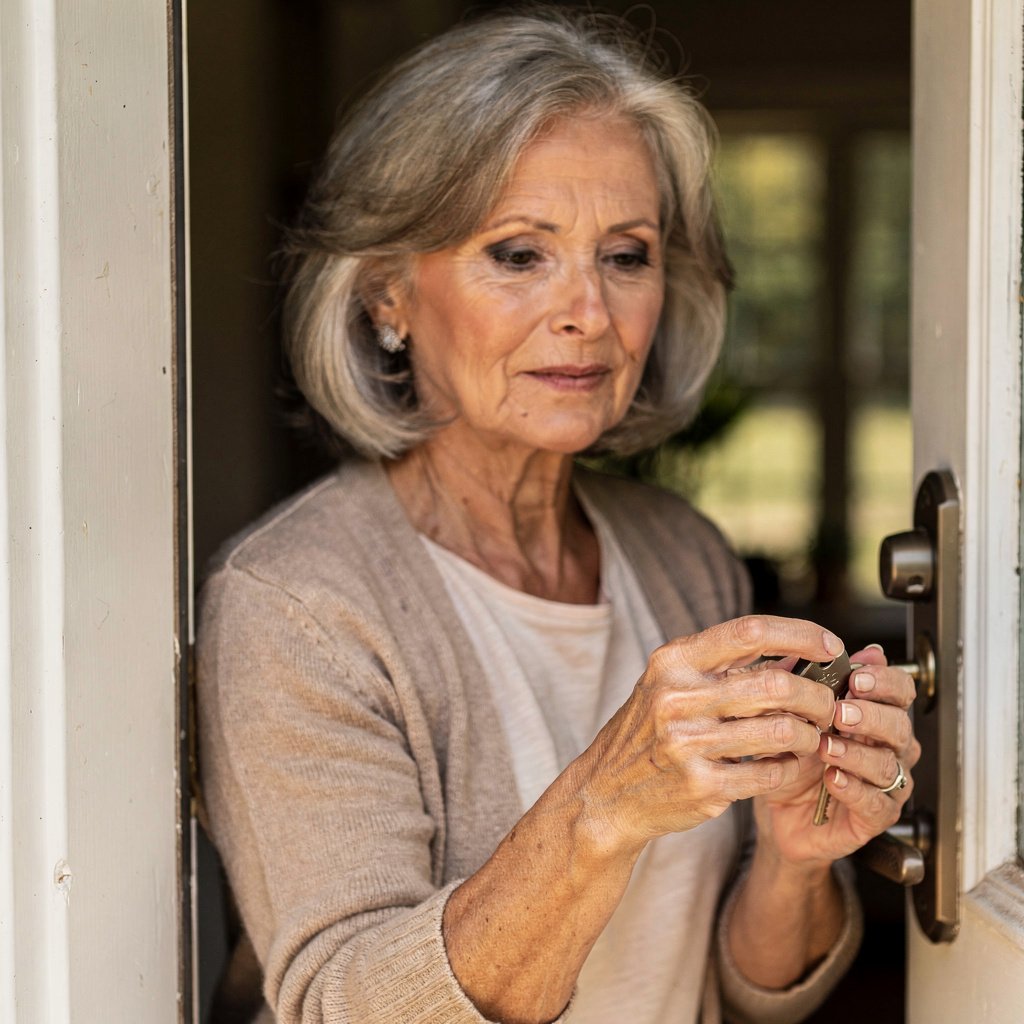
If you have pain at the base of your thumb, you are not alone. This kind of pain often comes from a condition called basal thumb osteoarthritis. It is also called rhizarthrosis. Many people wonder what they can do to feel better without having surgery.
A team of doctors looked at many different treatments that do not involve surgery. They wanted to find out which ones really work. Here are three important things they found:
- Injections into the joint can help for a short time, but they carry risks and do not last long.
- Physiotherapy and splints can make symptoms better for a long time.
- Using several treatments together works better than using just one.
Key Findings at a Glance
- Research shows that intraarticular injections provide only short-term pain relief and carry infection risks.
- Physiotherapy and splinting treatments promise long-term improvement in clinical symptoms and hand function.
- Radiotherapy appears effective for basal thumb osteoarthritis, but limited research exists on this option.
- A multi-modal therapeutic regimen, which means using several treatments together, provides the best long-term results.
- Repetitive intra-articular injections should be avoided for better outcomes.
What is basal thumb osteoarthritis?
Basal thumb osteoarthritis happens at the base of your thumb. This is where your thumb bone meets the bones in your wrist. The joint is called the trapeziometacarpal joint. That is a big word for a small but very important place.
This condition is common. It can make everyday tasks difficult. Things like opening jars, turning keys, or buttoning shirts can hurt. The pain can be constant. That is why finding the right treatment matters so much.
You may be wondering why this matters. Because when the pain does not go away, you need to know what really works.
What about injection treatments?
Many doctors offer injections directly into the joint. These are called intraarticular injections. The medicine goes right into the space where the pain is.
According to this study, these injections have only short-term success. That means they might help for a little while. But the pain usually comes back. The relief does not last long.
Here is where it gets interesting. The study also points out that there is a risk of infection. This risk should not be underestimated. An infection in a joint can be serious. It can make things worse instead of better.
So while injections might seem like a quick fix, they are not a long-term solution. Repeating these injections over and over is not recommended.
Can radiotherapy help?
Radiotherapy is a treatment that uses special rays. You might know it from cancer treatment. But it can also be used for some kinds of pain and inflammation.
Research shows that radiotherapy seems to be an effective treatment for basal thumb osteoarthritis. But there is not a lot of research on this yet. Scientists need to study it more to understand how well it works and how safe it is over time.
So while it looks promising, we do not have all the answers yet.
How do physiotherapy and splints work?
Let us look closer at two treatments that show real promise. These are physiotherapy and splinting.
Physiotherapy for your thumb
Physiotherapy means working with a trained therapist. They teach you exercises. These exercises help your thumb move better. They also make the muscles around your thumb stronger.
According to this study, physiotherapy promises long-term improvement. That means the benefits can last for a long time. Your hand function gets better. The pain gets easier to manage.
The exercises are gentle. They are designed just for your thumb and hand. You do them regularly. Over time, they make a real difference.
What are splints?
A splint is a support that you wear on your thumb. It holds your thumb in a good position. This takes pressure off the painful joint.
Studies indicate that splinting treatment also promises long-term improvement in clinical symptoms. Clinical symptoms are the signs of illness you feel, like pain or stiffness.
You might wear a splint during activities that hurt. Or you might wear it at night. Your doctor or therapist will tell you what is best for you.
Both physiotherapy and splinting work well because they help your body heal naturally. They do not just cover up the pain. They help fix the problem.
What is the best approach?
Here is the most important finding from this research. A multi-modal therapeutic regimen provides the best long-term results.
Let me explain what that means. Multi-modal means using more than one treatment at the same time. Therapeutic regimen is just a fancy way of saying treatment plan.
So instead of doing just one thing, you do several things together. You might use a splint and do exercises. You might combine physiotherapy with other therapies. You work with your doctor to find the right mix for you.
The study also makes it clear that you should avoid repetitive intra-articular injections. That means you should not keep getting injection after injection. They do not help in the long run. And they can cause problems.
This gives you hope. You have options. You can build a plan that really works.
Frequently Asked Questions
Do injections work for thumb arthritis?
Research shows that intraarticular injections have only short-term success for basal thumb osteoarthritis. They may reduce pain for a little while, but the relief does not last long. There is also a risk of infection that should not be underestimated.
What treatments give long-term relief?
According to this study, physiotherapy and splinting treatment promise long-term improvement in clinical symptoms and hand function. These treatments help your body heal naturally and provide benefits that last.
Should I use just one treatment?
Studies indicate that a multi-modal therapeutic regimen, which means using several treatments together, provides the best long-term results. Combining treatments like physiotherapy and splinting works better than relying on just one approach.
Is radiotherapy an option?
Radiotherapy seems to be an effective treatment for basal thumb osteoarthritis. However, little research has been done on this option, so more studies are needed to fully understand its benefits and safety.
About this site
This website is here to help you understand thumb pain and rhizarthrosis. We take published scientific articles and explain them in simple language. We do not make things up. We only share what real medical research shows.
Every article on this site comes from a real study. We want you to feel informed and confident. You deserve to understand what science says about your condition.
We invite you to explore more content on this site. You will find clear answers to your questions. You will learn what research really says about your treatment options.
Conclusion
Basal thumb osteoarthritis is a common condition. It can cause serious pain that affects your daily life. But you have real options for treatment without surgery.
Research shows that combining several treatments works best. Physiotherapy and splints offer long-term relief. Injections might help for a short time, but they are not the answer for the long run.
Talk to your doctor about a treatment plan that includes more than one approach. Ask about exercises and splints. Be honest about your pain. Together, you can find a plan that helps you feel better and use your hand again.
You deserve to live without constant pain. These treatments can help you get there.
Important Disclaimer
This article is for information only. It is not medical advice. It does not replace talking to your doctor. Every person is different. Your doctor knows your health history. They can help you choose the right treatment for you.
Always talk to a qualified healthcare professional before starting any new treatment.
Research Source
This article is based on research by Falkner, F., Tumkaya, M. A., Thomas, B., Bigdeli, A. K., Kneser, U., Harhaus, L., and Bickert, B., published in Orthopade in 2022.
You can read the original study here:
https://doi.org/10.1007/s00132-021-04195-5
Compare every treatment option side by side before making any decisions.
Treatment Comparison