If you are a woman going through menopause and your thumb hurts, you are not alone. Research shows that joint problems in the hands happen often during this time of life. This article looks at a study that explains why thumb pain and finger joint pain become common for women at this stage.
Here are three important things to know:
- Hand joint problems happen frequently in women during menopause.
- Thumb base pain and finger joint pain are very common types of hand arthritis.
- These problems can make daily tasks harder even if they seem small at first.
Key Findings at a Glance
- According to this study, articular joint disease frequently occurs in women during menopause.
- The condition mainly affects the fingertips and the base of the thumb.
- Doctors can diagnose these problems easily during a checkup.
- These hand problems can change the quality of life and make daily activities difficult.
- Many women visit doctors for these hand problems, sometimes because of how the hands look.
In this article:
- What Is Happening to Your Hands During Menopause?
- Which Joints Are Affected Most?
- How Does This Affect Your Daily Life?
- Why Do Women Visit the Doctor for This?
- Frequently Asked Questions
- Conclusion
- Disclaimer
- Article Citation
What Is Happening to Your Hands During Menopause?
Research shows that articular joint disease frequently occurs in women during menopause. Articular joint disease is a fancy name for problems in the joints where bones meet. These joints can become painful, stiff, or swollen.
You may be wondering why this matters.
According to this study, menopause is a time when these hand joint problems become more common. The joints in your hands can start to change. The smooth surface inside the joints wears away. This makes it harder to move your fingers and thumb without pain.
Which Joints Are Affected Most?
The study explains that this condition mainly affects two areas of the hand:
- The terminal interphalangeal joints (the joints at the very tips of your fingers)
- The metacarpophalangeal joint of the thumb (the base of your thumb where it meets your hand)
Let us look closer at each one.
What Happens at the Fingertips?
The joints at the very tips of your fingers can develop small, hard bumps. These bumps are called Heberden’s nodes. They feel like little lumps on the sides of your fingertips. They happen because the joint is changing shape.
These bumps are not dangerous. But they can make your fingers look different. Sometimes they hurt a little.
What Happens at the Thumb Base?
The base of your thumb is another common spot for pain. This is called root arthrosis or rhizarthrosis. The word rhizarthrosis means arthritis at the base of the thumb.
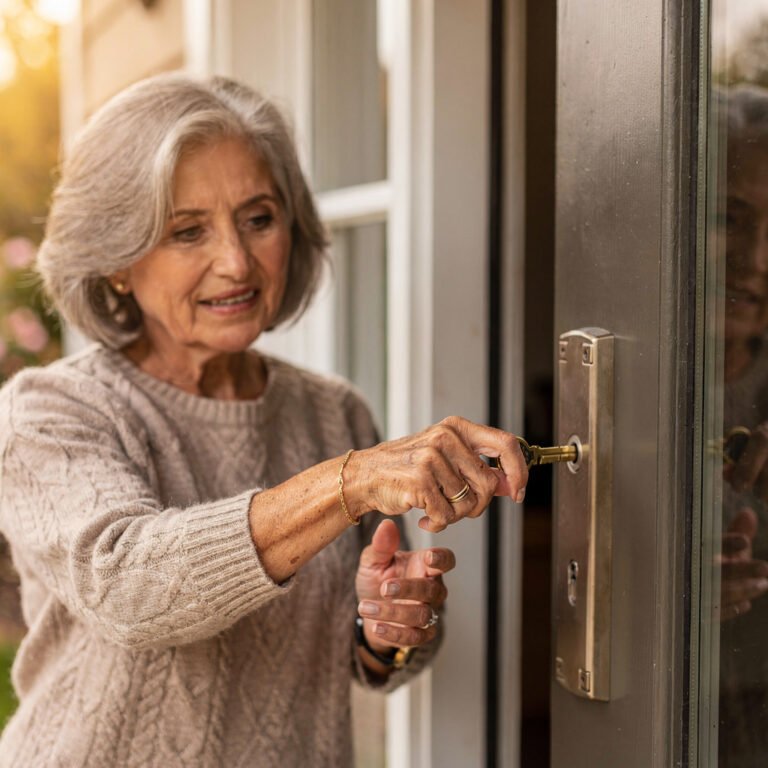
This type of arthritis makes it hard to use your thumb. You need your thumb for almost everything you do with your hands. Opening jars, turning keys, or even holding a pen can become painful.
How Does This Affect Your Daily Life?
Here is where it gets interesting.
According to this study, clinical diagnosis is not difficult. That means a doctor can usually tell what is wrong just by looking at your hands and asking you questions. The problems are often not very troubling at first. Doctors sometimes think of them as only secondary in an overall functional context. That means they might not seem like a big deal when you first notice them.
But the study also found something important. These hand problems can change the quality of life of these patients. Even small changes in your hands can make many daily activities difficult to perform.
Think about all the things you do with your hands each day:
- Buttoning your clothes
- Opening bottles
- Writing or typing
- Cooking and chopping food
- Holding a phone
When your thumb or fingers hurt, all of these tasks become harder. You might feel frustrated or worried. You might wonder if things will get worse.
Why Do Women Visit the Doctor for This?
The study tells us that these hand problems remain a common reason for outpatient visits. An outpatient visit means going to see your doctor at their office, not staying in the hospital.
Why do so many women visit the doctor for hand pain?
There are two main reasons:
- The pain and difficulty with daily tasks
- The way the hands look
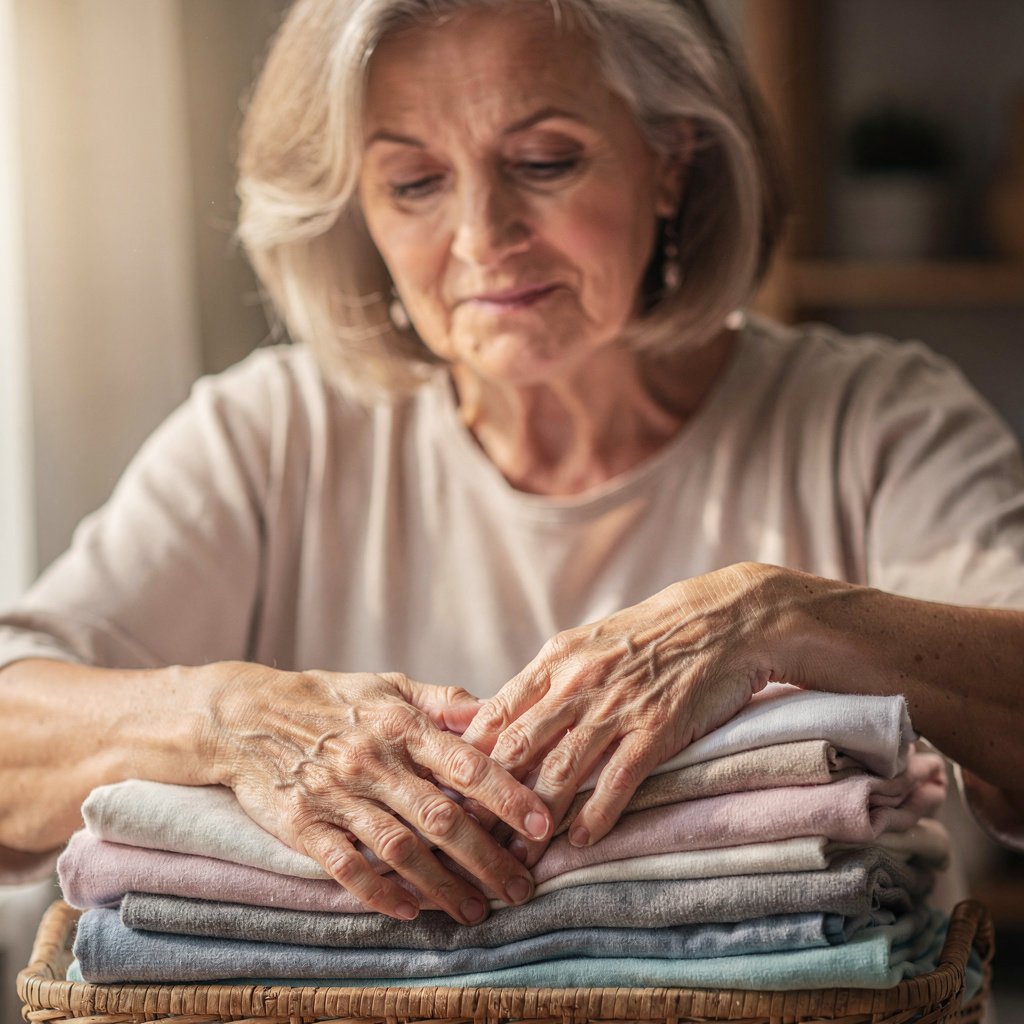
According to this study, the disfiguring nature is sometimes the main motivation of these patients. Disfiguring means that the hands look different because of the bumps or swelling. Some women feel upset about how their hands look. They want to know what can be done.
This is completely normal. Your hands are visible all the time. They are part of how you present yourself to the world. It makes sense to want them to feel good and look healthy.
About This Site
This website is here to help you understand thumb pain and rhizarthrosis better. We take published scientific articles and simplify them. We only use real medical research. We explain the science in plain language so you can make informed decisions about your health. We invite you to explore more articles on this site to learn about treatments, exercises, and ways to manage your thumb pain.
Frequently Asked Questions
Why does thumb pain happen more during menopause?
According to this study, articular joint disease frequently occurs in women during menopause. The changes in your body during menopause can affect your joints, including the base of your thumb and your fingertips.
Can a doctor easily tell if I have this type of arthritis?
Yes. Research shows that clinical diagnosis is not difficult. Your doctor can usually tell by examining your hands and asking you about your symptoms.
Will this hand pain affect my daily life?
It can. The study found that these problems can change the quality of life and make many daily activities difficult to perform, such as opening jars, writing, or buttoning clothes.
Should I see a doctor even if the pain is not that bad?
Yes. Even if the pain seems small, it is a common reason for outpatient visits. Your doctor can help you manage the symptoms and prevent them from getting worse.
Conclusion
If you are a woman going through menopause and you have thumb pain or bumps on your fingertips, this is a common problem. Research shows that joint disease in the hands happens often at this stage of life. The good news is that doctors can diagnose it easily. The harder news is that it can affect your daily life and how you feel about your hands.
You are not alone in this. Many women experience the same thing. Talking to your doctor is a good first step. They can help you understand what is happening and explore ways to feel better.
Disclaimer
This article is for informational purposes only. It is not medical advice. Always talk to your doctor or healthcare provider about your symptoms and treatment options. Only a qualified professional can diagnose your condition and recommend the best care for you.
Article Citation
Delcambre, B., & Guyot-Drouot, M. H. (1996). Joint osteoarthritis and rhizarthrosis. Rev Prat.
https://www.ncbi.nlm.nih.gov/pubmed/8978174